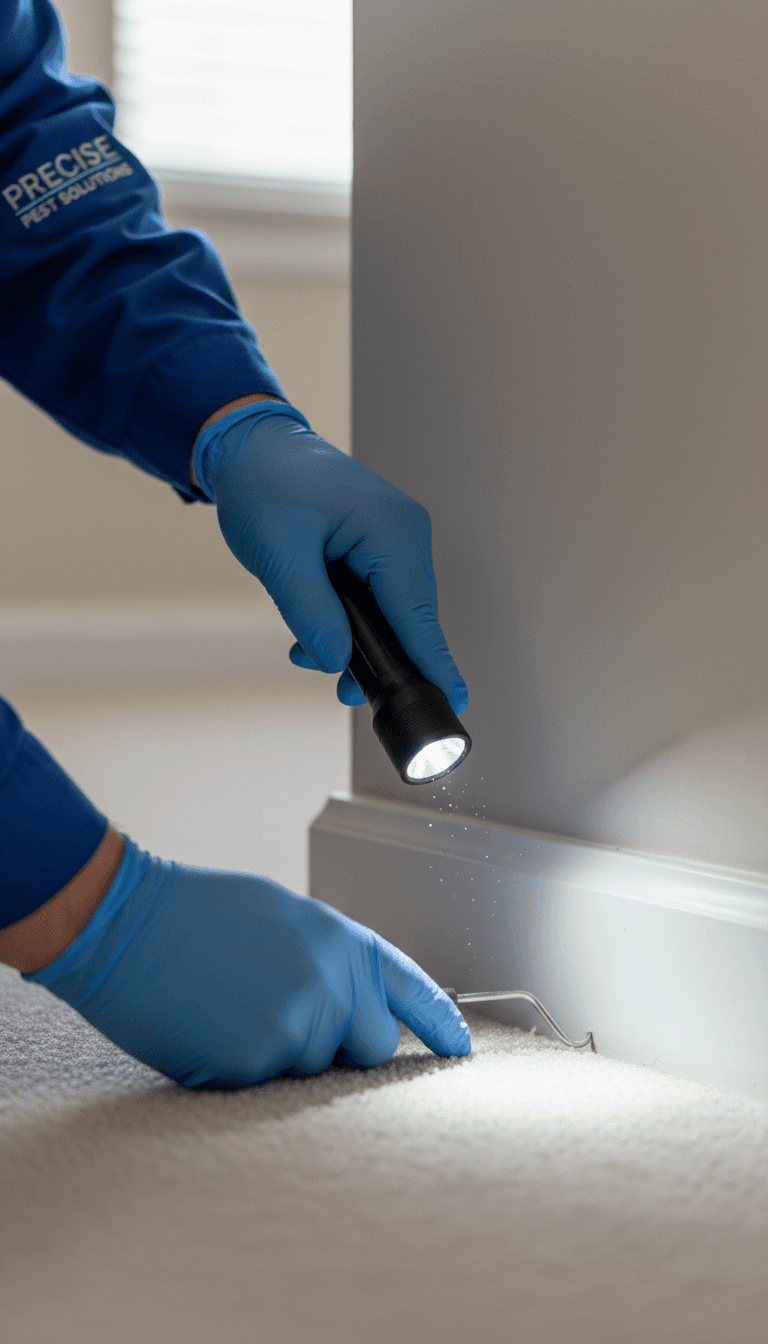
Effective wasp control Carbon County Utah requires identifying social species like paper wasps and yellowjackets to apply the correct management techniques. Safe removal involves treating nests with insecticides for at least 24 hours or hiring professional exterminators for large infestations to avoid the risk of multiple stings.
Stepping out onto your patio in Carbon County should be a relaxing experience, yet for many homeowners, the late summer air is filled with the intimidating buzz of aggressive wasps. Whether you are dealing with paper wasps under your eaves or yellowjackets nesting in the ground, these stinging insects can quickly turn a backyard sanctuary into a hazardous zone for your family. At Keith Pest Control, we know that effective management requires more than just a quick spray; it demands a deep knowledge of local behavior and nesting habits. In this article, we will guide you through identifying common Utah species, explaining why they become more hostile as the season wanes, and detailing the serious risks associated with DIY nest removal. By the end, you will understand exactly how to secure your property and maintain a safe, sting-free environment all year long.
The Wasp Season in Carbon County: What Local Homeowners Need to Know

Residents across Price, Helper, and Wellington are familiar with the shifting patterns of our high desert climate. In Carbon County, the quiet emergence of stinging insects in the spring quickly transitions into a buzzing nuisance as the summer heat intensifies. By the time the local landscape enters the dry, late-summer stretch, colonies that were once small and unnoticed have grown to their peak size.
Stinging insects like Western Yellowjackets and Paper Wasps find our local environment particularly hospitable. Unlike generic pest guides that treat all regions the same, homeowners near the Book Cliffs or along the Price River face specific challenges tied to our arid terrain and agricultural pockets. As natural food sources dwindle in late August, these insects become more opportunistic and aggressive, often encroaching on patios, eaves, and playgrounds.
Understanding the lifecycle of these pests is the first step toward reclaiming your property. This guide focuses on helping you identify which species are hovering near your home and why localized wasp control Carbon County Utah is often necessary. We will also address why common DIY methods can be dangerous in our remote region, where medical help might not be immediately around the corner. If you notice increased activity, you can contact us for an inspection to evaluate your residential pest control services needs before a small nest becomes a significant hazard.
Identifying Common Stinging Insects in Carbon County
Accurately identifying the specific insect on your property is crucial because their nesting habits and aggression levels vary significantly. In the high desert of Eastern Utah, three social species cause the most concern for homeowners, while one solitary species often causes unnecessary alarm. At about Keith Pest Control, we emphasize identification because the treatment for a paper wasp nest under a porch is vastly different from treating an underground yellowjacket colony.
Western Paper Wasps are perhaps the most frequently encountered species in towns like Price. You can identify them by their slender bodies and notably long legs that dangle below them during flight. They construct open-celled, umbrella-shaped nests, usually tucked under the eaves of houses, soffits, or inside door frames. While they are not as naturally aggressive as other species, they will defend their nest if it is disturbed during routine home maintenance.
Western Yellowjackets are often confused with bees due to their size, but their vibrant yellow and black patterns are much more distinct. These are the primary scavengers of the wasp world. If you find insects hovering around your soda can or trash bin during a backyard BBQ in Wellington, they are likely yellowjackets. They are highly territorial and can be dangerous because they often nest in hidden cavities where you least expect them.
Species | Key Markings | Nest Type |
|---|---|---|
Western Paper Wasp | Slender, long legs | Open-cell, umbrella shape |
Western Yellowjacket | Vibrant yellow and black | Ground or wall cavities |
Bald-faced Hornet | Black and white/ivory | Large, enclosed gray paper |
Mud Dauber | Thin, dark/iridescent | Mud tubes or cylinders |
Bald-faced Hornets are technically a type of yellowjacket, but they look quite different. They have stout, black bodies with ivory or white markings on their face and the tip of their abdomen. They are famous for building large, enclosed gray nests that look like textured paper footballs. These nests can grow to be quite large by late summer and are often found hanging from tree branches or the sides of tall buildings.
You may also notice Mud Daubers near local irrigation ditches or damp soil in Utah landscapes. These are solitary wasps, meaning they do not live in colonies. They are long, thin, and often dark or iridescent. Because they are not protecting a queen or a communal nest, they are much less aggressive and rarely sting unless handled.
Understanding these differences is the foundation of effective wasp control Carbon County Utah. Knowing if you are dealing with a scavenger or a nest-defender helps our team determine the safest way to provide residential pest control services. If you are unsure which species has moved in, you can contact us for an inspection to get a professional identification before the colony grows larger.
Paper Wasp Nest vs. Yellowjacket Nest: Where to Look
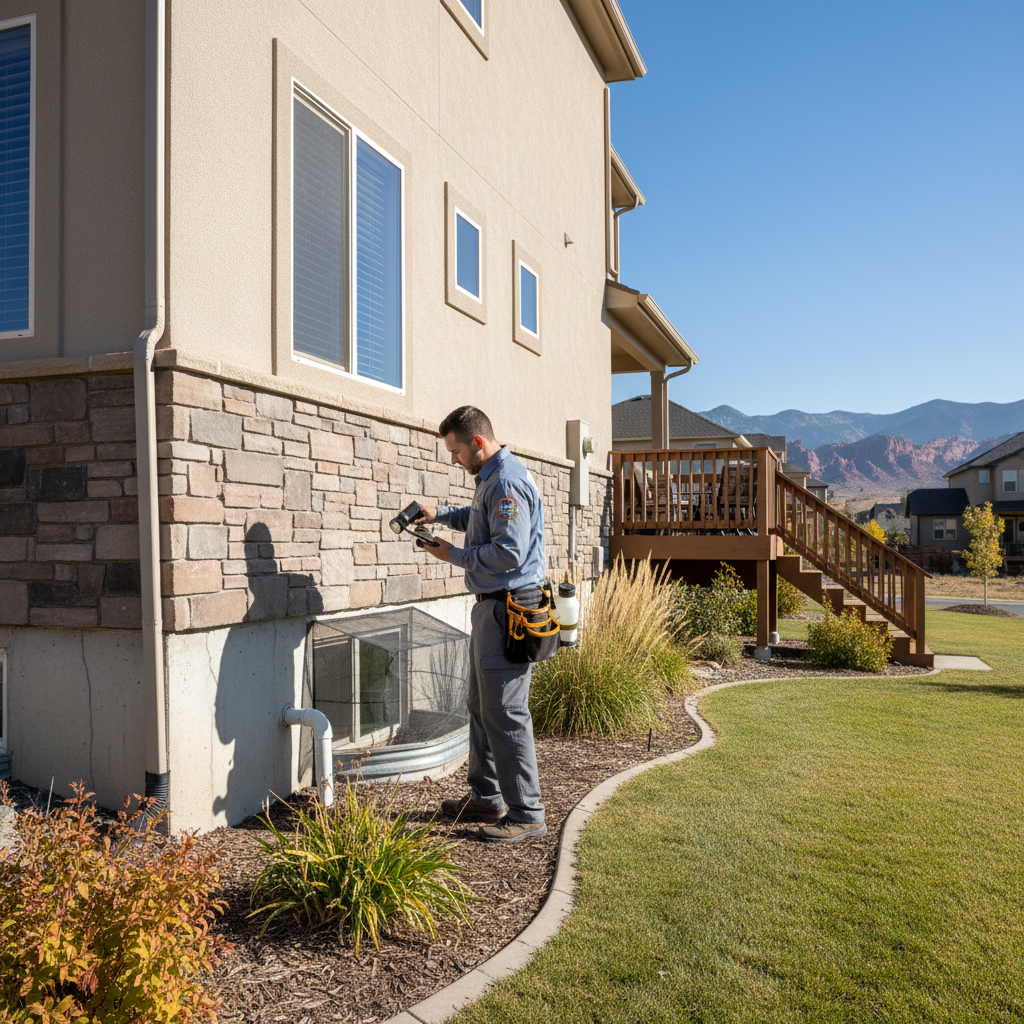
Identifying a wasp by its flight pattern or markings is helpful, but locating the nest provides the most definitive answer for homeowners trying to determine their risk level. In Carbon County, the specific placement of a nest is often the most reliable indicator of which species has moved in. While some nests are highly visible and easy to avoid, others remain entirely hidden until a person or pet accidentally disturbs the colony.
Paper wasps are the most common visible nesters. You will typically find their grey, papery, umbrella-shaped structures tucked into the protected corners of eaves, behind soffits, or within door frames. Because these nests are exposed and often located near home entry points, they are usually spotted during routine maintenance. If the nest looks like an open honeycomb where you can see the individual larvae inside the cells, it is almost certainly a paper wasp colony. While these are easier to see, they are still a primary target for wasp control Carbon County Utah because of their proximity to high-traffic areas.
In contrast, Western Yellowjackets are much more deceptive. They frequently utilize existing cavities to build a yellowjacket nest in ground locations, such as abandoned rodent burrows or gaps in rock walls near irrigation ditches. In residential areas in Price or Wellington, they may also establish a yellow jacket nest in wall voids or attic spaces, entering through small cracks in the siding. These ground nests pose a significant threat in Utah yards because they are easily overlooked. A child playing or a pet running through the grass can inadvertently step on the entrance, triggering an immediate and aggressive swarm of defensive stings.
Bald-faced hornets prefer height and seclusion. Their large, fully enclosed nests are often found hanging high in deciduous trees or attached to the upper stories of commercial buildings and homes. Because these nests are often located ten to twenty feet above the ground, they are less likely to be disturbed by daily foot traffic, though they remain a hazard for anyone performing tree trimming or gutter cleaning.
Distinguishing between these locations is a core part of our residential pest control services. Identifying the entry point for an underground or wall-dwelling colony requires a keen eye and knowledge of local insect behavior. If you notice wasps emerging from a hole in the lawn or a gap in your home's exterior, contact us for an inspection to ensure the colony is managed before the population peaks.
Why Are Wasps So Aggressive in Late Summer?
Late August and September in the Price and Helper areas often bring a noticeable surge in wasp activity. This isn't just an illusion; it is a biological shift driven by the unique lifecycle of social wasps. By late summer, the colony has reached its maximum population, often numbering in the hundreds or even thousands for species like yellowjackets. The sheer volume of workers translates to more foragers in your immediate environment, which naturally increases the frequency of human encounters.
The primary reason for increased aggression during this window is a fundamental change in the colony's diet. Throughout the spring and early summer, worker wasps spend their time hunting other insects to provide protein for the developing larvae. As the queen stops producing new brood in the late season, those protein requirements vanish. The workers, now left to fend for themselves, seek out high-energy sugars to sustain their own lives. In the arid Carbon County climate, natural nectar becomes scarce as the summer heat dries out local vegetation, pushing these pests toward human sources like hummingbird feeders, soda cans, and outdoor trash bins.
This desperation for food is compounded by a heightened defensive instinct. Because the colony represents a massive investment of time and energy by the end of the season, the workers are extremely protective of the queen and the remaining nest structure. While a paper wasp might have ignored a passerby in June, that same insect will likely perceive a person walking near the eaves as a direct threat in September. Managing this seasonal surge is a core component of effective wasp control Carbon County Utah. If your backyard has become a no-go zone due to these aggressive foragers, contact us for an inspection to discuss how our residential pest control services can address these late-season hazards safely.
The Risks of DIY Wasp Nest Removal
Many homeowners search for what kills wasp nests instantly, hoping a pressurized spray from a local hardware store will provide an immediate fix. While these aerosols can knock down individual workers on contact, they often fail to saturate the entire colony, particularly when dealing with a yellowjacket nest in a wall or deep underground. One of the most dangerous mistakes is plugging an entry hole in your siding. This does not trap the wasps; instead, it frequently forces the colony to find a new exit, which often leads them through the drywall and directly into your living space.
Using hazardous materials like gasoline or open flames is never recommended, as these methods pose extreme risks to your property and the local environment. At about Keith Pest Control, we emphasize that the greatest risk of DIY attempts is the physical threat of multiple stings. Wasps can sting repeatedly without losing their stinger. For residents in more isolated parts of Carbon County, being miles away from medical facilities makes an allergic reaction or a swarm attack a life threatening scenario. Professional wasp control Carbon County Utah is about more than just convenience; it is a critical safety measure for your family. Rather than risking a trip to the emergency room, you can contact us for an inspection to have the nest handled with specialized equipment and residential pest control services.
Professional Wasp Control: Safe and Effective Solutions
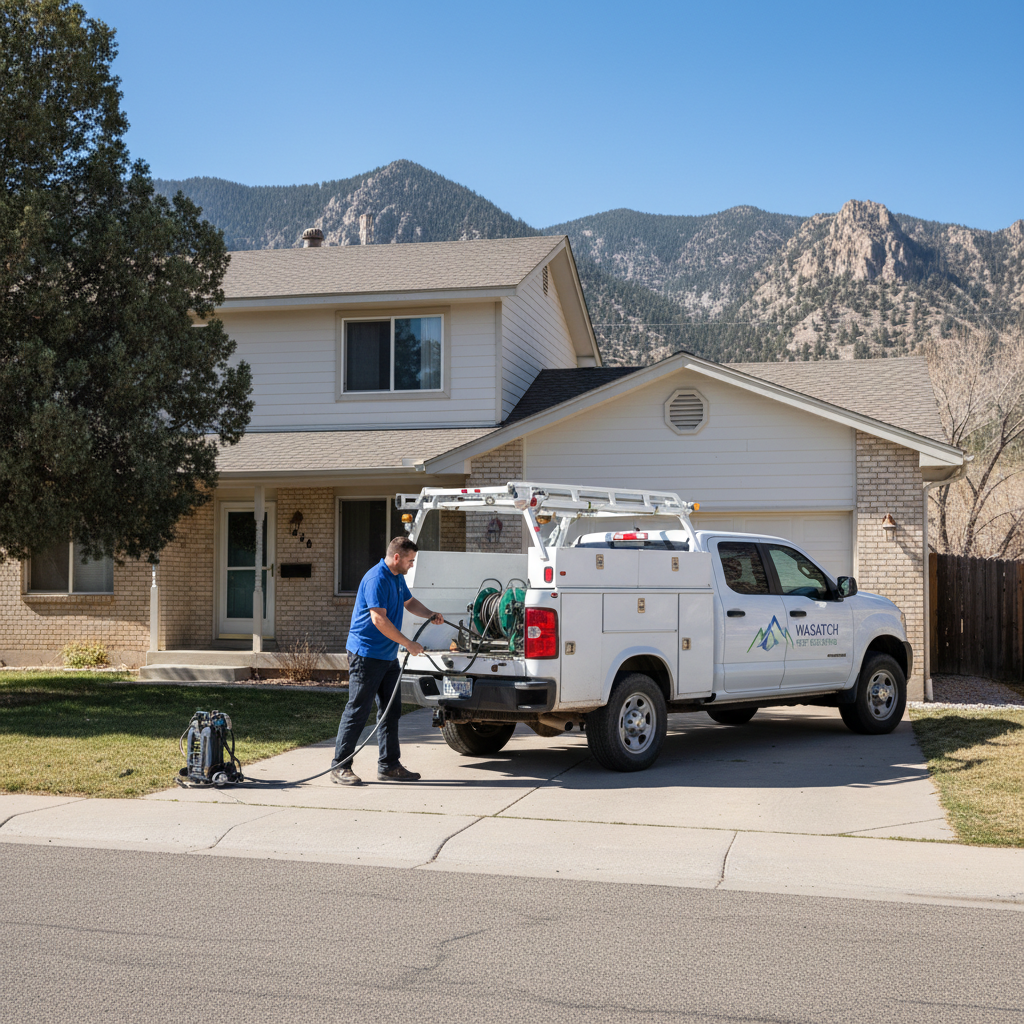
Choosing professional wasp control Carbon County Utah ensures that the problem is addressed at the source with industrial grade tools. Our team at Keith Pest Control utilizes specialized reach equipment to treat nests tucked high under eaves or behind complex soffits, keeping our technicians and your family at a safe distance during the process. For underground yellowjacket colonies, we use pressurized injection methods that saturate the nesting cavity. This ensures the queen and the entire brood are eliminated rather than just the foragers near the surface.
A significant benefit of our residential pest control services is the shift from reactive treatment to long term prevention. While a hardware store spray might kill a few visible wasps, it does nothing to deter the next colony from moving in. We apply residual barriers in common nesting sites to discourage new queens from establishing themselves. Learning more about Keith Pest Control reveals our commitment to seasonal protection; by treating your property early in the spring, we can stop nest construction before it starts. This proactive approach saves you the stress of late summer aggression and the recurring cost of emergency removals. If you are seeing activity near your home, contact us for an inspection to develop a tailored management plan.
Dealing with wasps in Carbon County requires a balance of caution and knowledge. While identifying specific species and keeping your distance is a great start, managing a full nest can be dangerous without the right equipment. If you want expert help ensuring your property remains safe and sting free, our local team is ready to step in. You can learn more about our commitment to the community on our About page. We believe in providing effective, stress free solutions for every neighbor.