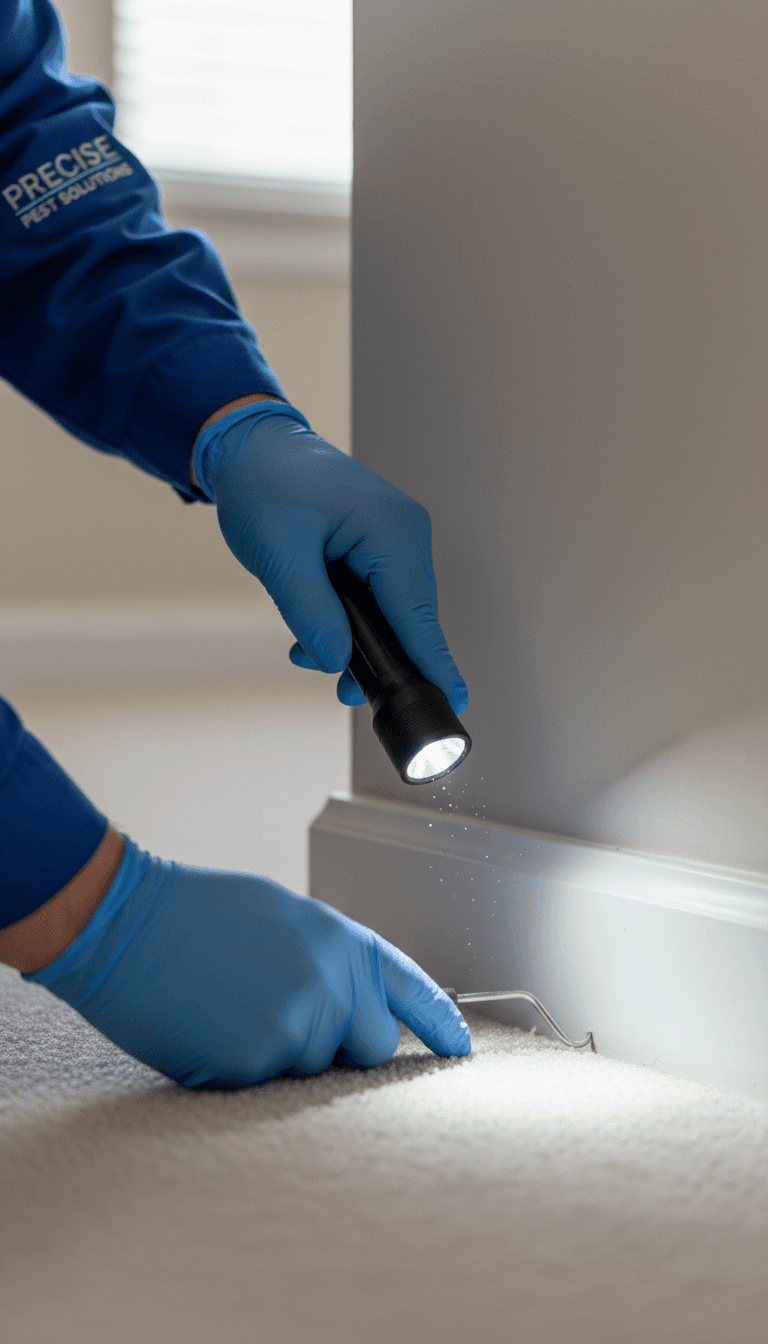
Effective termite control Carbon County Utah begins with identifying early signs of infestation such as mud tubes, hollowed wood, and discarded wings. Homeowners should schedule professional inspections and treatments to eliminate subterranean termites and protect their property from severe structural damage.
Finding a trail of sawdust or a strange mud tube along your foundation is a discovery no homeowner in Carbon County wants to make. Despite our arid climate, subterranean termites remain a persistent threat that can compromise the structural integrity of your property long before the first sign of damage appears. Understanding the unique behavior of these pests in our local environment is the first step toward effective prevention. In this guide, we will examine how to identify local termite species, the specific reasons why high desert homes are targeted, and the proactive strategies you can use to protect your investment. You will learn the difference between active infestations and old activity, along with why professional intervention is essential for long term structural security in Utah.
Does Carbon County Have a Termite Problem?
Many homeowners in Price, Helper, and Wellington believe that Carbon County's high desert climate is naturally resistant to wood-destroying insects. The logic seems sound: termites need moisture, and our environment is notoriously dry. However, this is a dangerous misconception. While Utah lacks the dampwood termites common in the Pacific Northwest, our region is a primary habitat for Subterranean termites.
These pests do not live inside the wood they consume; instead, they thrive in the soil beneath the frost line. They survive the arid Utah summers by retreating deep underground where moisture levels remain stable. They only emerge to forage, often entering structures through the tiniest cracks in a foundation. In Carbon County, residential irrigation and landscaping create artificial oases that attract these colonies. When homeowners water their lawns or garden beds near the house, they inadvertently provide the precise moisture subterranean termites need to move from the soil into the home's framing.
If you suspect activity near your foundation, you should schedule a termite inspection to assess the risk. Effective termite control Carbon County Utah requires understanding that the threat is hidden beneath the surface, making professional detection essential for long term property protection. The Keith Pest Control team focuses on identifying these subterranean paths before structural damage becomes irreversible.
Identifying Subterranean Termites: Utah Pictures versus Reality
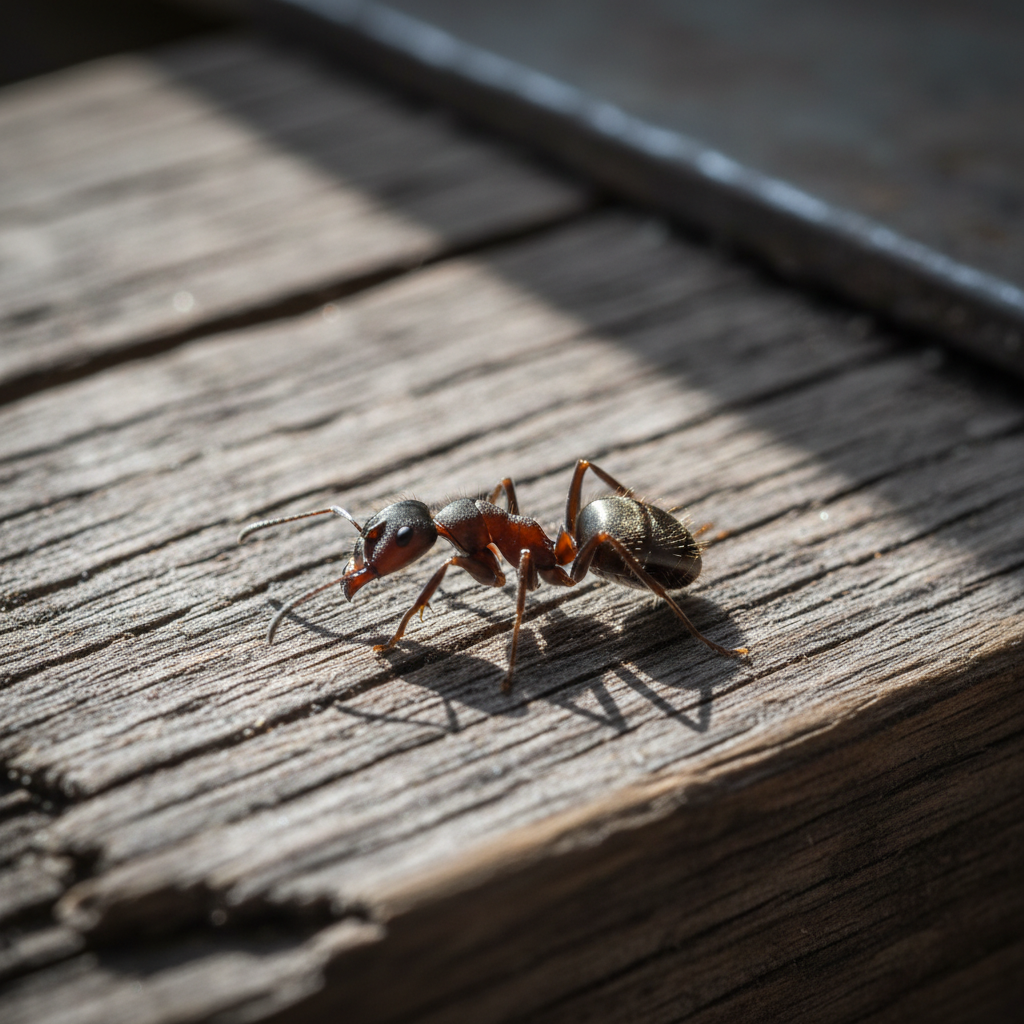
Proper identification often starts when residents in Price or Helper spot what appear to be flying ants around windowsills or door frames during the spring and early summer. These are typically swarmer termites, the reproductive members of a subterranean colony. Because they look remarkably similar to common Utah ants, including carpenter ants, homeowners often ignore them, assuming a simple ant spray will solve the problem. However, misidentifying these insects can lead to costly delays in seeking professional termite control Carbon County Utah.
To distinguish between the two, look closely at these three physical characteristics:
Feature | Subterranean Termite | Common Utah Ant |
|---|---|---|
Antennae | Straight and beaded | Elbowed or bent |
Waist | Thick and broad | Pinched and narrow |
Wings | Four wings of equal length | Four wings, front pair is longer |
Termite wings are generally twice as long as their bodies and have a translucent, milky appearance. In contrast, ant wings are shorter and more proportional to their body size. During the swarmer phase, termites are also relatively poor fliers and will shed their wings shortly after landing. Finding piles of identical, discarded wings is a definitive sign of termite activity rather than a standard ant infestation. Because these insects are often the only visible sign of a massive underground colony, the Keith Pest Control team recommends capturing a few specimens in a jar or on a piece of tape. This allows for an accurate identification, ensuring you receive the correct reliable residential pest control for your specific situation.
The Three Early Warning Signs of Termites in Utah Homes
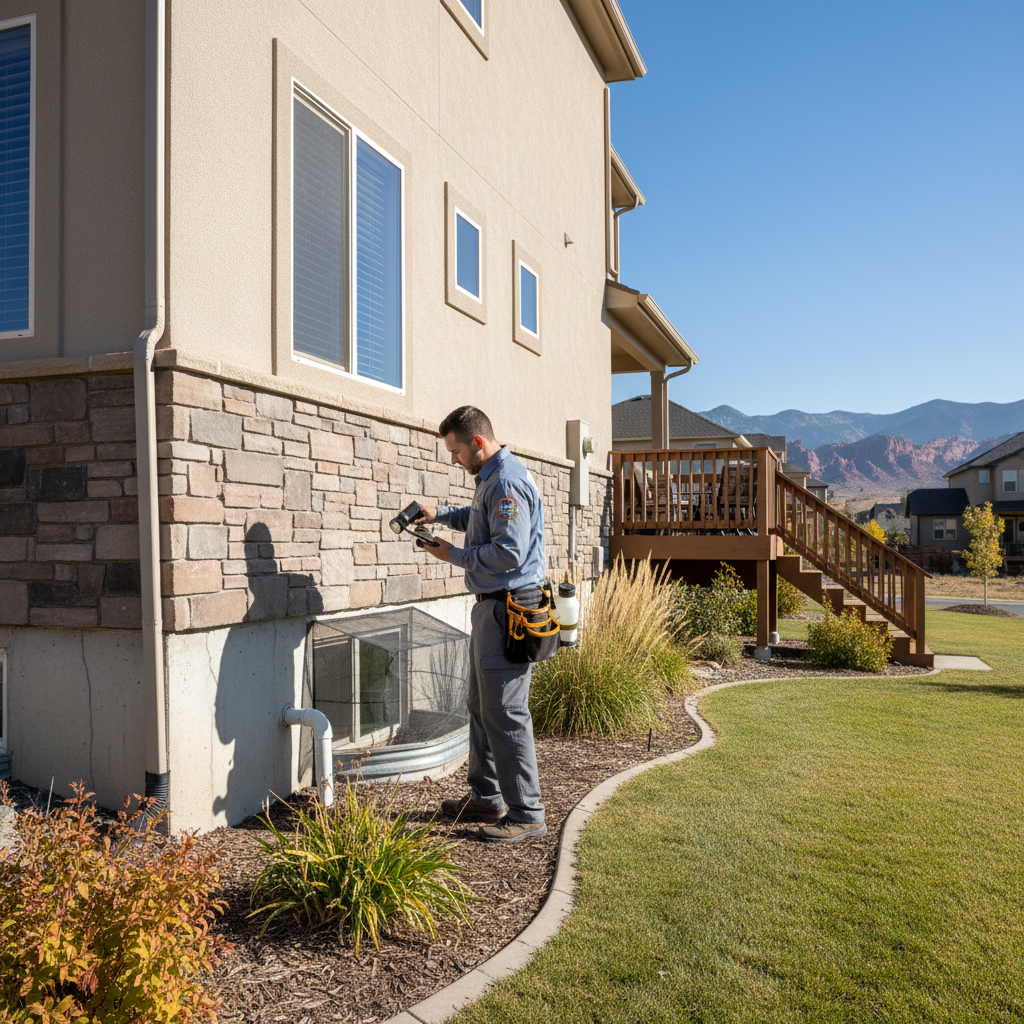
Recognizing a subterranean termite infestation requires looking beyond the insects themselves and focusing on the physical signatures they leave on a structure. Because these pests work from the inside out, the damage is often advanced by the time it becomes visible. Homeowners in the Price and Helper areas should regularly monitor their properties for these three specific indicators.
1. Mud Tubes on the Foundation Subterranean termites are highly susceptible to desiccation in our dry Utah climate. To move between their underground colony and the wooden components of your home, they construct mud tubes. These are pencil-thick tunnels made of soil, saliva, and fecal matter. You will typically find them running vertically along concrete foundation walls, in crawlspaces, or near floor joists. These tubes serve as a protected, high-humidity highway that shields the workers from predators and the drying effects of the desert air. Identifying these tubes early is a primary step toward effective termite control Carbon County Utah, as it reveals the exact entry points the colony is using to bypass your foundation.
2. Piles of Discarded Wings After a termite colony reaches a certain maturity, it produces winged reproductives that swarm to start new colonies. Once these swarmers land and find a mate, they shed their wings. In Carbon County, homeowners often find these piles of translucent, equal-length wings on windowsills, near door frames, or caught in spider webs. Because swarmers are attracted to light, these piles are frequently found indoors near glass entry points. Finding these wings is a definitive sign that a colony is nearby and actively attempting to expand into your living space.
3. Hidden Wood Damage and Bubbling Paint Because subterranean termites consume wood from the interior while leaving the exterior surface intact, visual inspections can be deceptive. One practical way to check for activity is to tap wooden beams, baseboards, or supports with a screwdriver handle. A healthy piece of wood will produce a solid thud, while termite-damaged wood will sound hollow or thin. Additionally, look for what appears to be water damage or bubbling paint. When termites eat the wood directly behind a layer of paint, the moisture they bring into the galleries causes the paint to blister or peel. This is frequently misidentified as a simple plumbing leak or humidity issue.
If you notice any of these signs, it is critical to schedule a termite inspection immediately. Early detection by the Keith Pest Control team can prevent thousands of dollars in structural repairs and ensures you receive reliable residential pest control tailored to the unique environment of our high desert region.
Are Mud Tubes Always a Sign of Active Termites?
Finding a dried mud tube along a basement wall in Price or Helper often leads to the question of whether the infestation is historical or current. To determine activity, you can perform a simple field test. Use a screwdriver to break away a one inch section of the tube. If the termites are active, they will typically repair the gap within 24 to 48 hours to restore the humidity seal. In some cases, you may even see the small, creamy white workers immediately scrambling to address the breach.
However, a lack of repair does not mean your home is safe. Inactive tubes are still a significant red flag; they represent a proven entry point and a structural vulnerability. Termites may have simply moved to a different area of the framing or are waiting for the next moisture cycle to return. Because these tubes act as ready made highways for future colonies, you should still schedule a termite inspection to evaluate the extent of the previous activity. The Keith Pest Control team provides the specialized termite control Carbon County Utah homes require to ensure that both active and dormant threats are properly managed through reliable residential pest control strategies.
Why Termites Target High Desert Properties in Utah
The high desert environment of Carbon County presents a paradox for subterranean termites. They require constant moisture, yet our region experiences dramatic seasonal swings. During the spring, heavy snowmelt saturates the soil, providing the perfect conditions for colonies to expand and forage. As the intense heat of a Utah summer arrives, the surface soil dries out rapidly. This transition forces termites to seek deep, stable environments where moisture is trapped. A home's crawlspace or basement acts as a climate controlled sanctuary, offering the consistent humidity levels these pests need to survive when the surrounding landscape becomes inhospitable.
Local property management habits often inadvertently facilitate this migration. In Helper, it is common to see firewood stacked directly against a garage or shed. This provides a direct bridge from the colony in the soil to the structural wood of the building. Similarly, in Price, over-irrigating a lawn or flower bed located right next to the foundation creates a moisture highway that leads termites straight to the house. These practices turn a residential property into the most attractive target in the neighborhood. To mitigate these risks, the Keith Pest Control team emphasizes the importance of managing the perimeter of the home. If you are concerned that your landscaping or storage habits have invited activity, you should schedule a termite inspection to evaluate your risk level. Effective termite control Carbon County Utah depends on understanding how our local climate drives these pests toward human structures, making reliable residential pest control a necessity for long term property health.
Proactive Termite Protection Strategies for Carbon County Homeowners
Subterranean termite damage in Carbon County often results in repair bills that far exceed the cost of professional prevention. Effective termite control Carbon County Utah starts with eliminating the environmental bridges that allow colonies to move from the soil into your structure.
Implement these specific strategies to harden your property against infestation: - Maintain a Soil Gap: Ensure at least six inches of visible foundation exists between the ground and your wooden siding or rim joist. This prevents termites from entering wood unnoticed. - Redirect Moisture: Utah snowmelt and heavy spring rains can saturate the soil near your home. Extend downspouts so gutters discharge water at least three feet away from the foundation to keep the perimeter dry. - Clear the Perimeter: Remove dead tree stumps and avoid using decorative wood mulch in garden beds that directly touch the house. Use pea gravel or rubber mulch as a safer alternative for landscaping. - Eliminate Wood-to-Ground Contact: Ensure porch steps, fence posts, and deck supports are not buried directly in the dirt. Use concrete piers or metal stirrups to break the path from the soil.
These small adjustments significantly reduce the likelihood of a colony establishing a foothold. While these DIY steps are vital, they should be paired with reliable residential pest control to ensure no hidden vulnerabilities remain. If you have recently moved wood piles or noticed moisture pooling near your walls, you should schedule a termite inspection to verify your home’s perimeter is secure. The Keith Pest Control team helps homeowners identify these subtle risk factors before they lead to structural failure.
Professional Termite Control Carbon County Utah: Why DIY Often Fails
Homeowners often ask if a termite infestation will eventually go away on its own. Unfortunately, subterranean termites are exceptionally persistent insects; once they find a viable food source like your home's framing, they will remain until the structure is compromised or the colony is professionally eradicated. DIY treatments from local hardware stores rarely provide a long term solution because they fail to reach the heart of the colony. These retail products typically kill only the foragers on the surface, leaving the queen and thousands of workers thriving deep underground.
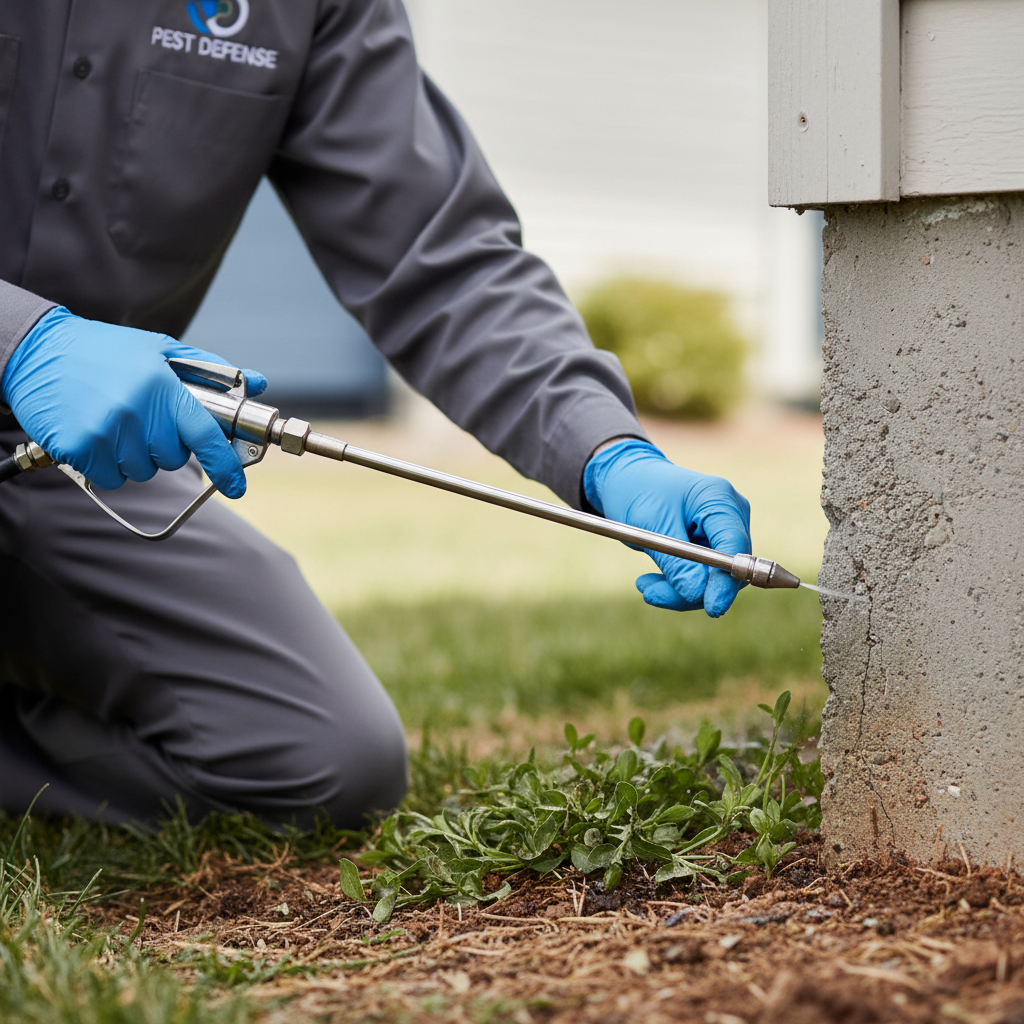
Effective termite control Carbon County Utah requires a more sophisticated approach than simple spot sprays. The Keith Pest Control team utilizes targeted perimeter treatments designed to create a continuous protective barrier around your property. Rather than just treating visible damage, these professional methods use specialized technology to ensure the treatment reaches the subterranean nest. By focusing on the soil entry points and the foundation perimeter, this approach eliminates the colony at its source. To ensure your home is truly protected from the soil up, schedule a termite inspection to identify hidden vulnerabilities and implement reliable residential pest control tailored to our high desert environment.
Protecting your Carbon County home from subterranean termites starts with being alert to the subtle signs of an infestation. While knowing what to look for is an essential first step, these pests often hide deep within the structure of your property. If you want expert help ensuring your investment is fully protected, professional inspections provide the ultimate peace of mind. You can learn more About our local expertise and our commitment to keeping Utah homes pest free by visiting our team page.