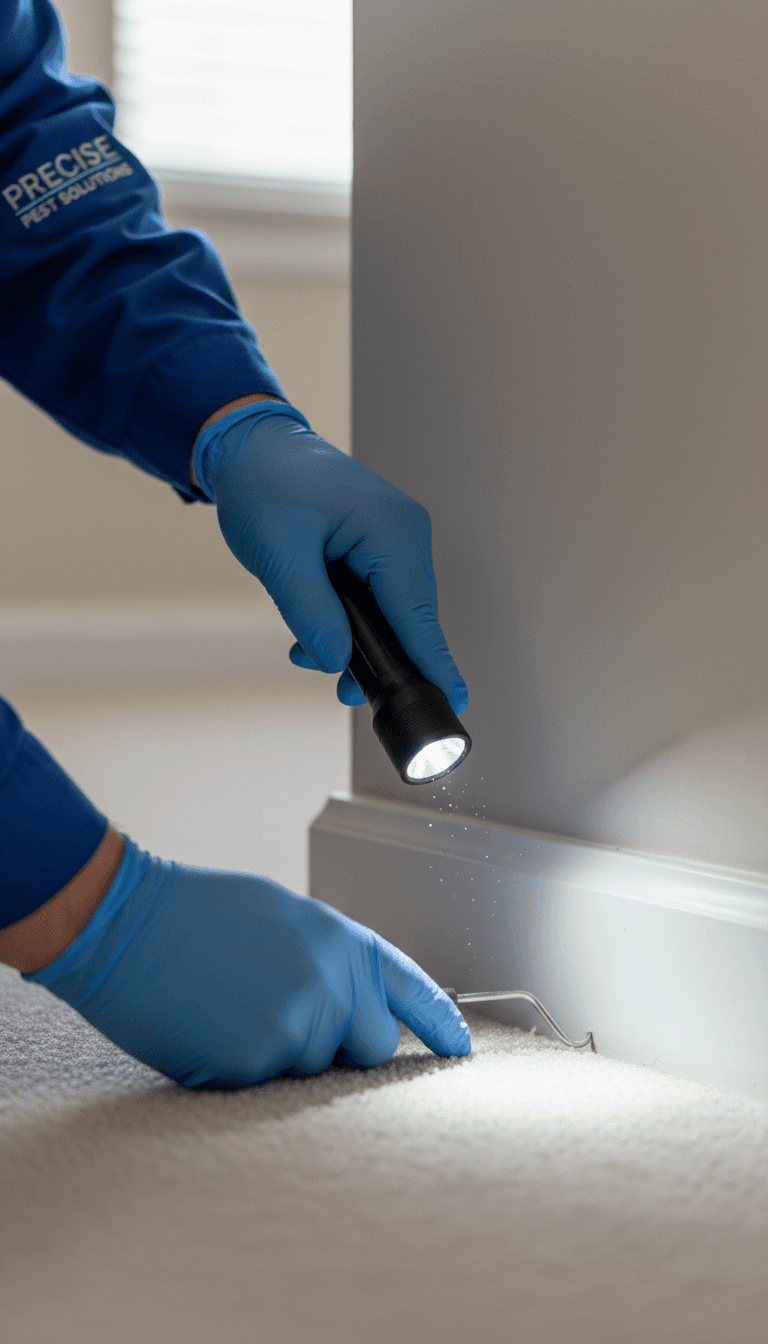
Effective rodent control Carbon County Utah requires identifying entry points, removing attractants, and using professional exclusion techniques to stop mice and rats from entering homes. Residents should monitor for signs like droppings or gnaw marks and seal foundation gaps to prevent infestations from growing; these strategies provide long term protection for properties in Price and Helper.
Finding a mouse in your Price or Helper home is more than a simple nuisance; it is a direct threat to your family's health and your property's integrity. Residents of Carbon County face unique challenges due to our high desert climate and seasonal shifts that drive rodents indoors for survival. Whether you are dealing with the common house mouse or the more dangerous deer mouse, waiting to act only gives these pests time to multiply and spread disease. This guide covers everything you need to know about local rodent behavior, including the serious risks of Hantavirus and why standard hardware store traps often fail to solve the root problem. You will learn how to identify entry points, recognize early warning signs, and discover why a professional, strategic approach is the only way to ensure your home remains pest free throughout the year.
Why Rodent Control in Carbon County Utah is a Unique Local Challenge
Carbon County’s high desert environment creates a specific set of hurdles for homeowners. The region's deep agricultural roots and vast open landscapes provide ample food and nesting grounds for rodents during the spring and summer. However, as the intense summer heat gives way to frigid Utah winters, the local rodent population undergoes a predictable shift. Mice and rats that once thrived in fields or outbuildings instinctively seek out the consistent warmth and shelter of human structures.
Effective rodent control Carbon County Utah relies on recognizing how these seasonal transitions impact local behavior. In towns like Price and Helper, the challenge is often compounded by older infrastructure. Historic homes and commercial buildings frequently feature settling foundations, aged crawlspace vents, or gaps in masonry that serve as open invitations for pests seeking a thermal refuge. Unlike newer developments, these established properties require a keen eye to identify structural vulnerabilities that have developed over decades.
By understanding how our local climate drives pests toward residential heat sources, Keith Pest Control can implement more effective, long term prevention strategies. These reliable residential and commercial pest control services are essential for protecting property as the temperatures drop and the pressure on your home’s perimeter increases.
House Mouse vs. Deer Mouse: Identifying Your Invader
Identifying which species has breached your perimeter is the first step in effective rodent control Carbon County Utah. While many homeowners assume all small rodents are the same, two distinct species dominate our local landscape: the common house mouse and the native deer mouse (Peromyscus maniculatus).
The house mouse is the invader most people recognize. These rodents typically have a uniform, dusty gray or light brown coat. Their bellies are a slightly lighter shade of the same color, and their tails are scaly and solid in color from base to tip. They are highly adapted to human environments and are frequently found near kitchens or pantries where food scraps are accessible.
In contrast, the deer mouse is a rural specialist that thrives in the brush and fields surrounding Carbonville and Spring Glen. As temperatures drop in the fall, they frequently migrate into homes in search of nesting sites. You can identify a deer mouse by its distinct white underbelly and white feet. Unlike the house mouse, the deer mouse has a clearly two-toned tail that is dark on the top and stark white on the bottom.
Distinguishing between these two is not just a matter of biology; it is a vital safety measure. While both pests damage property and contaminate food, the deer mouse is the primary carrier of specific pathogens that require specialized handling. Recognizing the white feet and bicolored tail of a deer mouse is an immediate signal that your pest management strategy must prioritize health and safety protocols to protect your family from the risks detailed in the following section.
The Dangerous Health Risks: Understanding Hantavirus in Utah
The presence of deer mice in your home is not just a nuisance; it is a significant medical concern due to Hantavirus Pulmonary Syndrome (HPS). This rare but potentially fatal respiratory disease is primarily carried by deer mice in the western United States. Utah residents have a specific historical connection to this pathogen, as the virus was first recognized following an outbreak in the Four Corners region. Because Carbon County sits within this geographic area, HPS is a risk that must be managed with professional precision rather than casual DIY methods.
Transmission occurs when the virus becomes airborne. When rodent urine, droppings, or nesting materials are disturbed, the virus enters the air through a process called aerosolization. Homeowners often unknowingly expose themselves when they attempt to clean up old nests or droppings in crawlspaces, garages, or attics. Sweeping with a broom or using a standard household vacuum cleaner is particularly dangerous because these actions kick contaminated dust directly into your breathing zone. Once inhaled, the virus can lead to severe lung complications that require immediate medical intervention.
Effective rodent control Carbon County Utah involves more than just setting traps; it requires a safe approach to sanitization. If you discover an accumulation of droppings, the standard safety protocol involves thoroughly soaking the area with a disinfectant or a mixture of bleach and water for at least five minutes before removal. This prevents the particles from floating into the air. Because the stakes are so high, Keith Pest Control utilizes specific safety protocols to handle infestations where deer mice are present. Protecting your family from these pathogens is a core component of reliable residential and commercial pest control services. If you suspect a deer mouse infestation in your property, you should contact our team to ensure the cleanup and removal are handled without risking your respiratory health.
Common Entry Points: How Rodents Get Into Price and Helper Homes

Understanding how these pests enter is a critical component of rodent control Carbon County Utah. Rodents are incredibly agile; a house mouse can compress its body to fit through a hole no larger than a dime, while a rat only requires a gap the size of a quarter. In the residential neighborhoods of Price and Helper, older homes frequently feature structural vulnerabilities that serve as primary entry points. Common culprits include gaps around utility lines, cracked foundations from soil settling, and worn-out seals at the base of garage doors. Roof vents and soffits also provide access if they are not properly screened with heavy-duty mesh.
The invasion often begins in the backyard before a single mouse is ever seen inside. Many local properties feature woodpiles kept for supplemental heating or areas of tall grass near the perimeter. These features act as perfect staging grounds, providing cover from predators while the rodents scout for a thermal bridge into the building. When these exterior harborage sites sit close to the foundation, it is only a matter of time before pests exploit a minor gap. Professional reliable residential and commercial pest control services focus on identifying these subtle breaches that homeowners might overlook. Keith Pest Control technicians inspect these specific local weak points to ensure your home’s exterior is fully fortified against the seasonal migration.
Early Warning Signs: How to Spot a Mouse Infestation Early

Once a rodent bypasses your exterior defenses, the first indications of their presence are often heard rather than seen. Because rodents are nocturnal, you will likely notice scratching or scurrying sounds within wall voids, ceilings, or floorboards late at night when the rest of the house is quiet. These sounds are the result of rodents navigating established runways between their nesting sites and food sources like pantries or pet food storage.
Visual evidence follows closely behind. You may notice small, jagged gnaw marks on food packaging, baseboards, or even plastic utility pipes. Beyond property damage, the most definitive sign of an active problem is the presence of droppings. For effective rodent control Carbon County Utah, homeowners must be able to distinguish between active and historical activity. Fresh droppings are typically dark, moist, and have a soft texture. Over time, they become dry, hard, and take on a gray, crumbly appearance. Finding fresh droppings in multiple locations, such as under the kitchen sink or behind appliances, indicates an immediate need for intervention.
A common concern for homeowners is determining how many mice indicate a true infestation. In professional pest management, seeing a single mouse is rarely an isolated incident. Rodents reproduce rapidly, and their secretive nature means they only emerge into open areas when their nesting sites become crowded or food becomes scarce. If you spot one mouse during the day, it is highly probable that a larger population is already established in secluded areas. If these early warning signs appear, you should contact our team at Keith Pest Control to assess the situation. Relying on reliable residential and commercial pest control services ensures that these early signs are addressed before the population grows exponentially.
The 5 Day Mouse Rule and Why DIY Traps Often Fail
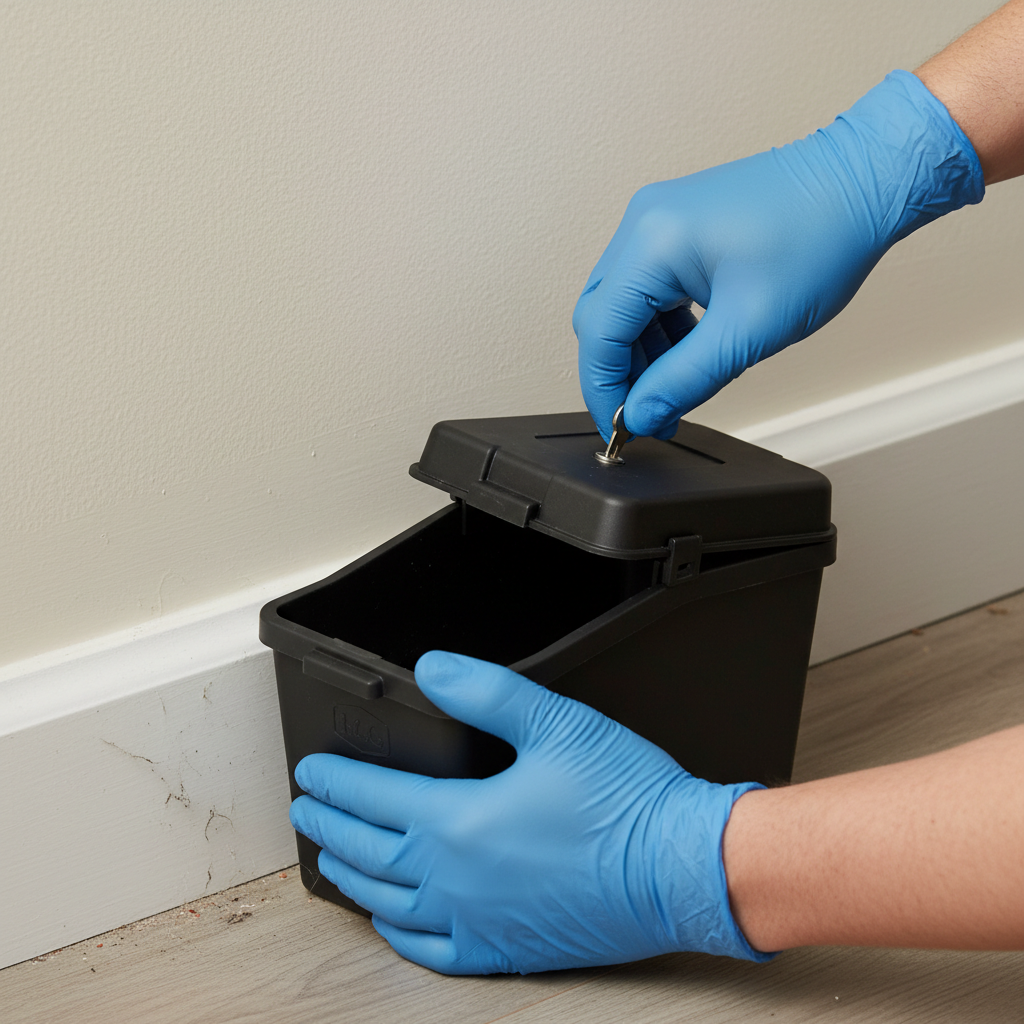
The 5 day mouse rule is a common observation in pest management. It suggests that if a trap fails to produce a catch within five days, the rodent has likely learned to avoid the device or moved its activity to a different part of the home. Rodents are naturally suspicious of new objects in their environment, a trait known as neophobia. If a retail trap is placed incorrectly or handled with bare hands, leaving a human scent, the mouse will simply bypass it, rendering your DIY efforts ineffective.
Successful rodent control Carbon County Utah requires addressing the source of the infestation rather than just the symptoms. Grocery store snap traps are reactive tools that target individual pests but do nothing to stop the breeding population hidden within your walls. These methods frequently fail because they leave the home’s exterior vulnerable. Without professional exclusion, where every dime sized gap is sealed with gnaw proof materials, you are essentially dealing with a revolving door of pests.
Keith Pest Control utilizes professional grade baiting and exclusion systems that go far beyond the limitations of retail products. While a homeowner might catch one or two mice, reliable residential and commercial pest control services focus on identifying the specific structural weaknesses of your property to provide long term prevention. If your traps have remained empty for more than five days despite signs of activity, contact our team to implement a comprehensive management plan.
Why Professional Rodent Control Beats DIY Methods
Professional rodent control Carbon County Utah shifts the focus from reactive trapping to structural fortification. A thorough inspection identifies the exact gaps in foundation masonry or utility lines that invite house mice and Norway rats. Unlike DIY efforts, professional exclusion involves sealing these breaches with gnaw proof materials, ensuring long term prevention.
Safety remains the most critical factor, especially regarding Hantavirus. Experts use specific disinfectants and specialized equipment to handle droppings without aerosolizing dangerous pathogens into your living space. By combining systematic population reduction with these safety protocols, Keith Pest Control delivers reliable residential and commercial pest control services that provide genuine peace of mind. To secure your home against seasonal invaders, contact our team today.