Effective ant control Carbon County Utah requires identifying specific species such as carpenter or sugar ants and targeting their colonies directly through professional extermination services. Residents can maintain pest-free homes by sealing entry points, removing food sources, and utilizing ongoing prevention programs from local experts to ensure long-term protection.
Nothing ruins a peaceful morning in Carbon County like finding a trail of ants marching across your kitchen counter. Whether you are dealing with tiny nuisances in Price or structural threats in Helper, these pests are more than just an eyesore; they are a persistent challenge that requires a localized strategy. Understanding the specific species in our high desert climate is the first step toward reclaiming your home. In this guide, we will identify Utah's most common invaders, from the harmless but annoying Pavement ant to the destructive Carpenter ant. You will learn how to perform the rotten coconut test for Odorous House ants and discover why typical store bought sprays often fail to solve the underlying colony problem. Most importantly, we will outline the preventative steps necessary to keep your property ant free year round.
The Local Challenge of Ant Control in Carbon County Utah
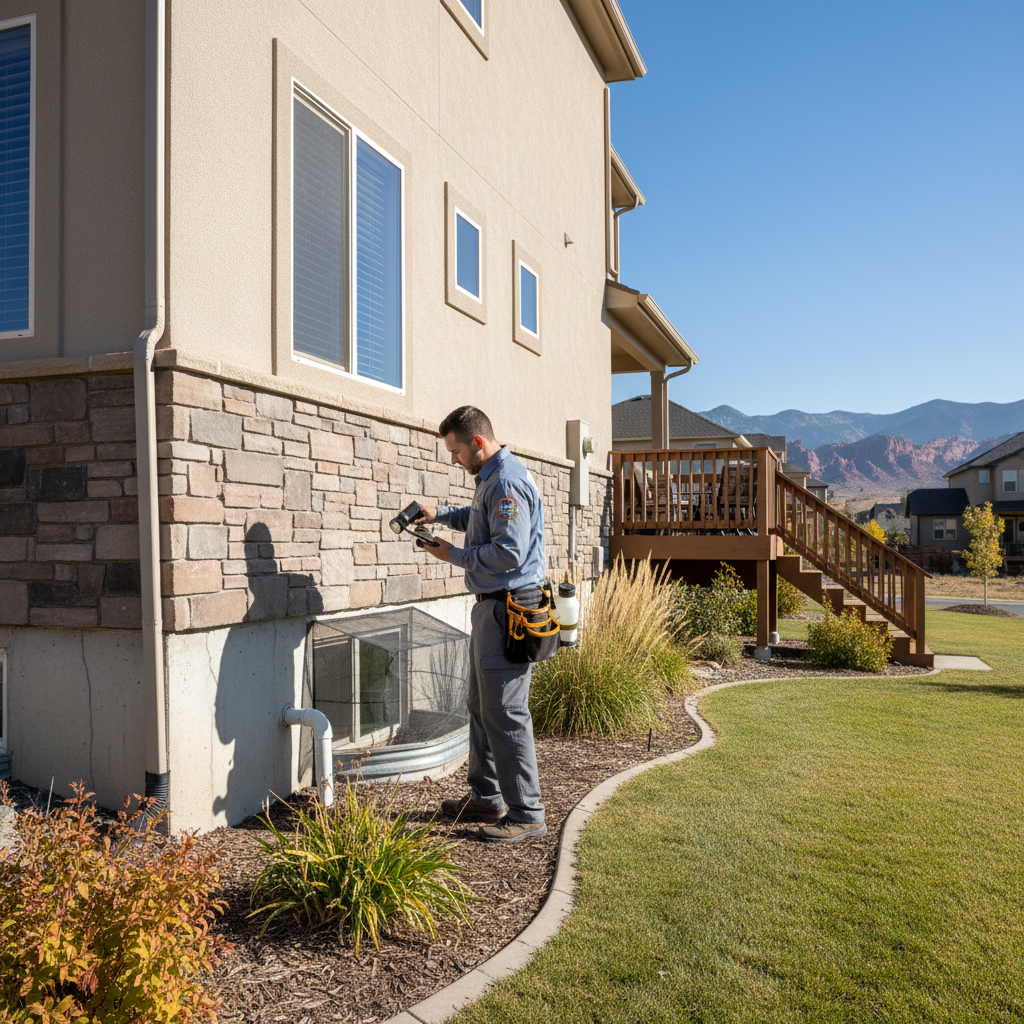
Carbon County presents a unique set of challenges for homeowners trying to maintain a pest-free environment. From the sun-baked desert floors in Price to the higher elevations and foothills surrounding Helper, the diverse geography creates a perfect habitat for various ant species. While these insects play a vital role in our local ecosystem by aerating soil and recycling nutrients, they quickly become a significant problem when they migrate into human structures.
Effective ant control Carbon County Utah requires an understanding of how local weather patterns and terrain influence insect behavior. In Wellington and surrounding areas, the intense summer heat often drives colonies indoors in a desperate search for moisture and cooler temperatures. Likewise, the transition from winter to spring can trigger mass emergences as colonies wake up and seek easy food sources in residential kitchens.
At Keith Pest Control, we differentiate ourselves through a deep understanding of these regional pressures. We do not apply one-size-fits-all solutions. Instead, we offer residential pest control services designed to address the specific soil types and building styles found throughout the county. Homeowners can learn more about our local expertise and how we use targeted strategies to manage infestations that generic treatments often miss. Protecting your property requires a partner who knows exactly how Carbon County ants operate.
Identifying the Big Three: Utah's Most Common Ants
Identifying the specific intruder is the first step toward effective ant control Carbon County Utah. While many species inhabit the high desert and mountain valleys, three specific types are responsible for the vast majority of residential calls in Price, Helper, and Wellington. Knowing which one is on your counter dictates the strategy needed for eradication.
*Pavement Ants (Tetramorium immigrans)* These are arguably the most common ants found near local homes. As their name suggests, they prefer nesting under hard surfaces such as driveways, sidewalks, and concrete slabs. In Carbon County, where soil can be dry and compacted, these ants utilize the space beneath your home's foundation for temperature regulation. They are small, typically dark brown to black, and often leave tiny mounds of displaced soil along cracks in the pavement. If you see ants trailing along the baseboards or under a sliding glass door, they are likely pavement ants coming in from the exterior slab.
Odorous House Ants Much smaller than other species, measuring only about 1/16 to 1/8 inch long, odorous house ants are a frequent kitchen pest. They are dark brown or black with smooth bodies. The most distinct feature of this species is not visible but olfactory. When crushed, these ants release a pungent odor frequently compared to rotten coconuts or blue cheese. They are highly attracted to sugary foods and moisture, making them a common sight around kitchen sinks and bathroom fixtures during the dry Utah summer months.
Carpenter Ants These are the giants of the local ant population. Carpenter ants are significantly larger than pavement or odorous house ants, often reaching half an inch in length. They are typically solid black or a combination of reddish-black. Unlike the other species, carpenter ants are a structural concern. They prefer to nest in wood, particularly wood that has been softened by moisture or decay. Seeing large, dark ants crawling on your walls or deck is a sign that the colony may be nesting within the structure itself rather than just visiting for food.
Ant Species | Average Size | Primary Color | Unique Identifier |
|---|---|---|---|
Pavement Ant | 1/8 inch | Dark Brown / Black | Nests under concrete slabs and driveways |
Odorous House Ant | 1/16 to 1/8 inch | Dark Brown / Black | Pungent rotten coconut smell when crushed |
Carpenter Ant | 1/4 to 1/2 inch | Black or Reddish-Black | Large size; excavates wood for nesting |
Identifying these pests accurately ensures that the residential pest control services provided are targeted toward the specific biology of the insect. Each of these ants requires a different baiting or treatment strategy to achieve long term results.
Pavement Ants vs. Odorous House Ants: The Nuisance Invaders
While pavement ants and odorous house ants do not pose the structural risks associated with carpenter ants, they are far more than a minor annoyance. These nuisance ants are the primary culprits for contaminated food stores in Price and Helper. Because they travel through soil and over various outdoor surfaces before reaching your kitchen counters, they introduce bacteria into areas where you prepare meals. Once they establish a trail to a food source, the sheer volume of insects can become overwhelming for any homeowner to manage alone.
The primary challenge in ant control Carbon County Utah for these species lies in their biology. Unlike some pests that operate from a single, central hub, these ants often establish massive colonies with multiple queens. This decentralized structure is exactly why they are so hard to get rid of using standard hardware store products.
When a homeowner applies a generic repellent spray, it often triggers a survival mechanism known as budding. Instead of dying, the colony senses a threat and reacts by splitting into several smaller groups, each with its own queen. These new sub-colonies move to different parts of the house, effectively turning a single kitchen infestation into a multi-room problem overnight. Achieving long term results requires a strategic approach that utilizes non-repellent treatments. These methods allow the workers to carry the treatment back to the queens before the colony detects a threat. For homeowners struggling with persistent trails, choosing professional residential pest control services ensures the treatment targets the entire colony network rather than just the ants you see on the surface.
Recognizing the Danger: Signs of Carpenter Ants in Your Home
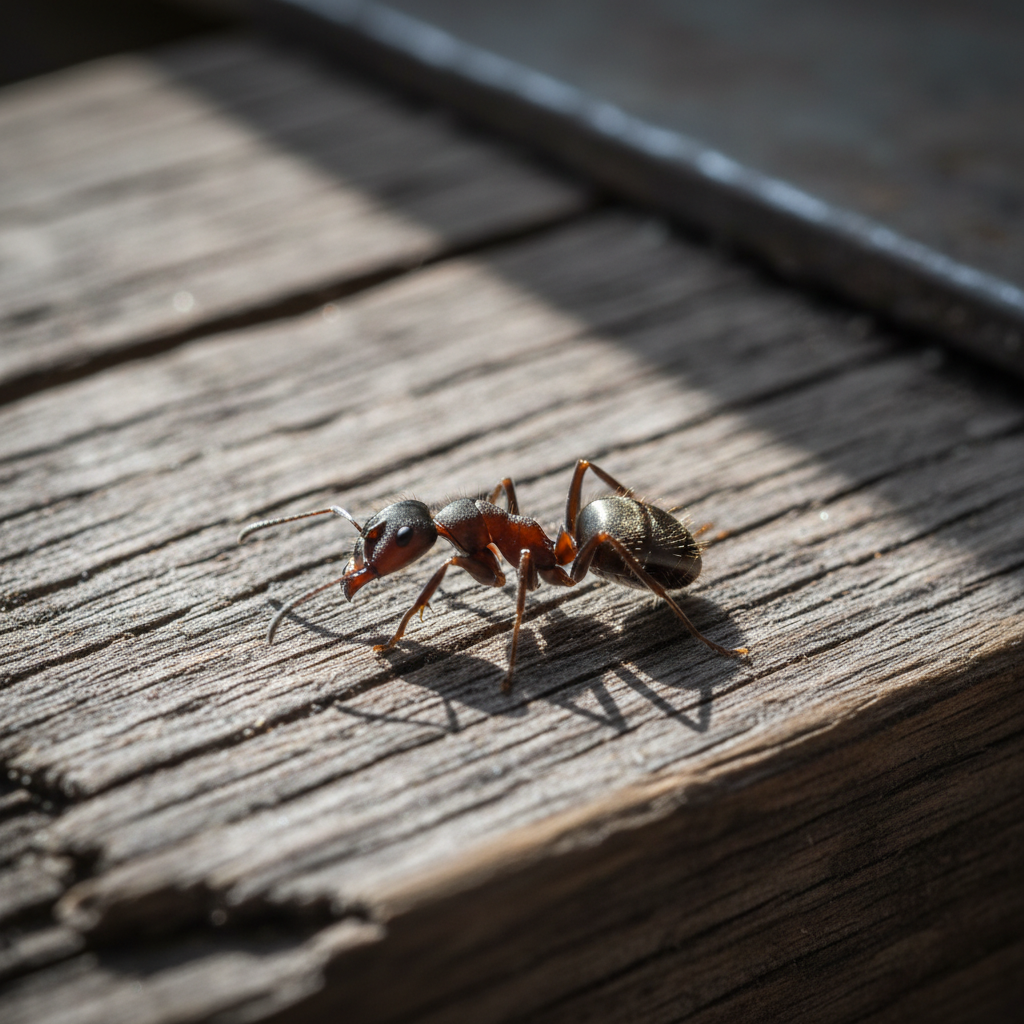
Carpenter ants represent a far more serious threat to your property than the sugar-seeking invaders mentioned previously. While pavement ants are a nuisance, carpenter ants are structural pests that can compromise the integrity of a building. In Carbon County, homeowners living in older wooden structures or properties nestled near the wooded foothills face an elevated risk. These environments provide the moist, decaying wood that serves as the perfect starting point for a colony to migrate into a home’s framing.
It is vital to understand the biology of these insects to properly assess the danger. Unlike termites, carpenter ants do not eat wood for nutrition. Instead, they excavate it. They use their powerful mandibles to chew through wood, creating smooth, sandpapered galleries for nesting. This process effectively hollows out support beams, floor joists, and wall studs from the inside out, often leaving the exterior of the wood looking perfectly intact while the core is weakened. This hidden destruction makes ant control Carbon County Utah a priority for those living in high-risk zones.
Identifying an infestation early is the best way to prevent costly repairs. Homeowners should look for the following specific indicators:
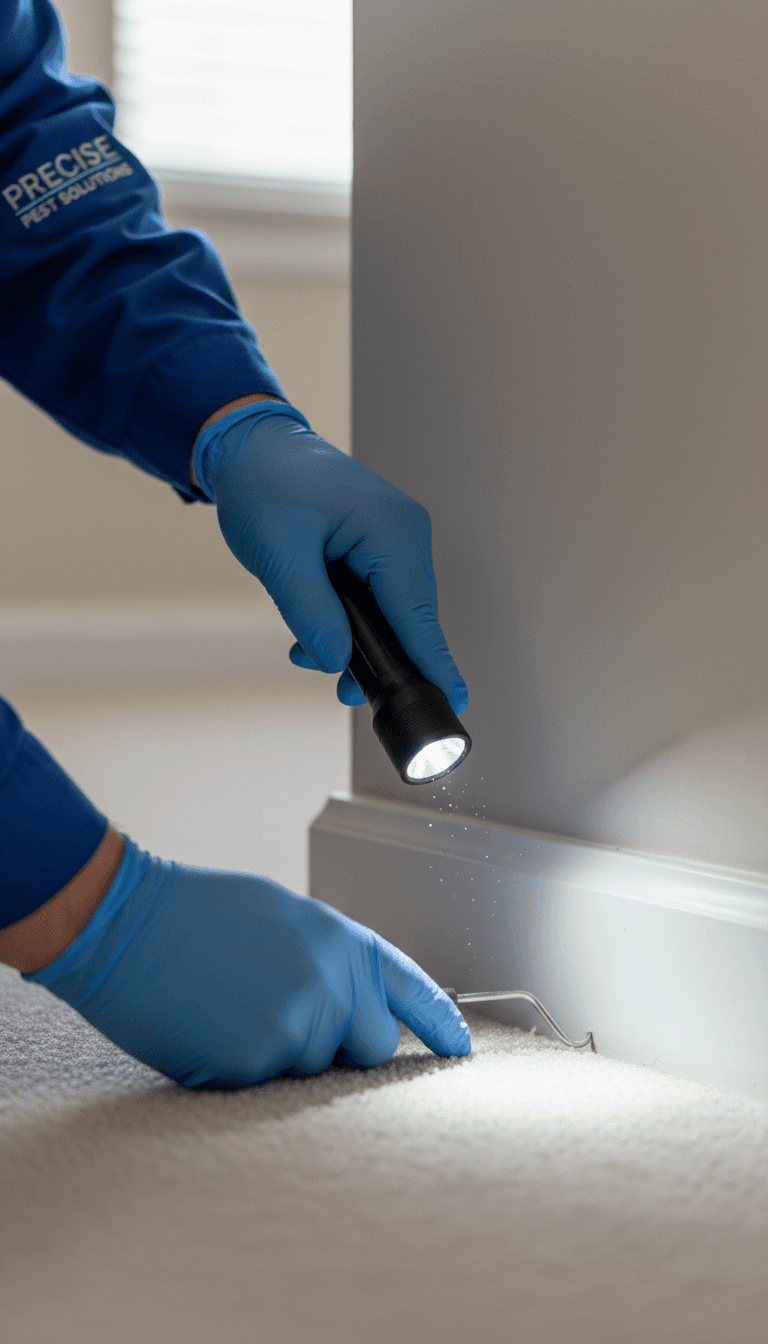
Frass: This is a sawdust like debris consisting of wood shavings, bits of soil, and parts of dead insects. You will typically find small piles of frass beneath baseboards, windowsills, or in crawlspaces where ants are actively tunneling.
Acoustic Signs: During the quiet hours of the night, you may actually hear the colony. A large infestation produces a distinct rustling or clicking sound within the walls as thousands of ants move and work.
Winged Swarmers: Seeing large, winged ants indoors during the spring is a significant red flag. These are reproductive members of the colony looking to start new nests; their presence inside usually indicates a mature colony is already established within the structure.
If you notice these signs, professional residential pest control services are necessary to locate the parent nest and eliminate the threat before structural damage becomes severe. You can contact Keith Pest Control to schedule a detailed inspection of your home’s vulnerable areas.
The Rotten Coconut Test: Identifying Odorous House Ants
The most reliable way to confirm an infestation of odorous house ants is through a simple sensory test. When these small, dark ants are crushed, they release a distinctive, pungent pheromone often described as smelling like rotten coconut or blue cheese. This smell test is a practical diagnostic tool for homeowners in Price or Wellington who see tiny insects trailing across their countertops.
In the high desert environment of Carbon County, these ants are relentlessly driven by the search for moisture. As the summer heat dries out the natural landscape, residential kitchens and bathrooms become oases. They are frequently found congregating around leaky faucets, refrigerator drip pans, or sugary spills that have not been wiped clean. Because they are highly adaptive, they will often nest near heat sources or inside wall voids where moisture levels are slightly higher. Effectively implementing ant control Carbon County Utah requires identifying these moisture-rich entry points to prevent the colony from establishing a permanent foothold. If these pests persist despite your cleaning efforts, professional residential pest control services can help locate the hidden moisture sources sustaining the colony.
Why DIY Ant Control Often Fails in Carbon County
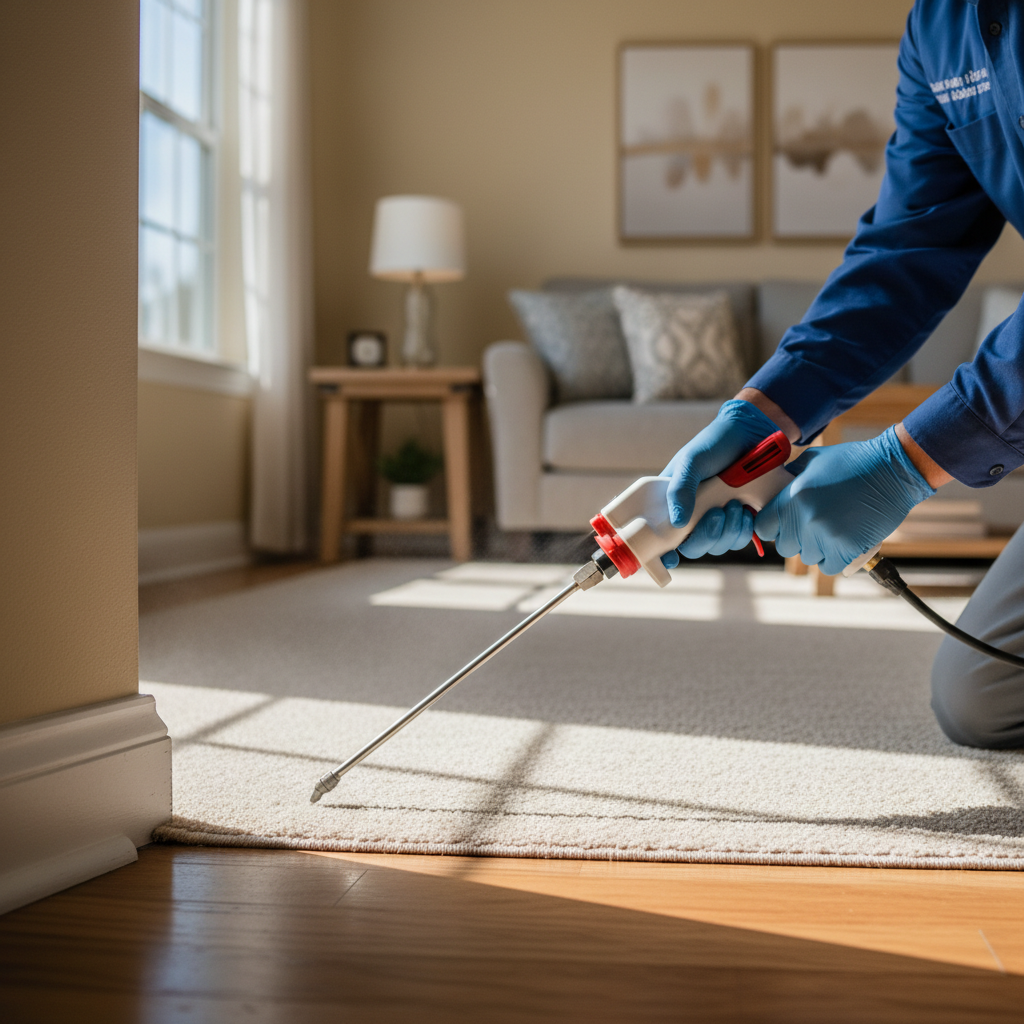
Homeowners in Price and Helper frequently ask if professional intervention is actually worth the investment when supermarket shelves are lined with sprays. The reality is that most store-bought aerosols are repellent contact killers. While they provide the immediate satisfaction of killing the ants you see on the counter, they often exacerbate the overall infestation. When these chemicals are applied, the surviving members of the colony perceive a threat to the nest. This results in the colony scattering or retreating into wall voids where they remain protected, only to emerge weeks later in a different part of the home.
Successful ant control Carbon County Utah requires more than just a quick fix; it demands a strategy that accounts for how these insects interact with our specific local environment. Our local soils are often heavily compacted or rocky, which leads many builders to use thick concrete slabs and deep foundations. Ants utilize the natural gaps and moisture pockets beneath these structures to nest far beyond the reach of a surface level spray. A standard retail product cannot penetrate the soil or reach the heart of a colony hidden three feet below a driveway or foundation.
Professional residential pest control services utilize non-repellent transfer technology and specialized baiting systems. Instead of scattering the colony, these methods allow ants to pass through a treated zone or consume bait without immediate alarm, eventually sharing the treatment with the entire population, including the queens. Combining these techniques with a durable perimeter barrier provides a level of protection that simple hardware store fixes cannot match. To learn more about our local expertise in managing these complex colony structures, contact Keith Pest Control for a professional assessment.
Preventative Steps for Carbon County Homeowners
While professional intervention is necessary for active infestations, the most effective long term approach to ant control Carbon County Utah involves hardening your home against future invasions. Our local climate, characterized by sudden heat waves and intense dry spells, forces ants to look for resources within human structures. By addressing attractants and entry points before temperatures peak, you can significantly reduce the likelihood of a colony moving in.
Focus on these specific regional prevention strategies:
Trim Foundation Vegetation: Ants use branches like highways. During Utah's growing season, keep shrubs and trees trimmed at least 12 inches away from your siding and roofline to eliminate easy access.
Manage Swamp Cooler Runoff: In Price and Helper, these units are common. Ensure the overflow lines drain away from the foundation rather than pooling at the base of the wall, as this moisture is a beacon for scouts.
Audit Irrigation Systems: Inspect your sprinkler heads and drip lines regularly. Excess moisture near the foundation is a primary draw for pavement ants and odorous house ants during July and August.
Seal Structural Gaps: Use a high quality silicone caulk to seal gaps around window frames, door sweeps, and where utility lines enter the home. This is especially important for older homes with settling foundations.
Airtight Food Storage: Store pantry items in airtight glass or plastic containers. Wipe down jars of honey or syrup; even a small residue can attract scouts from a nearby colony.
Implementing these steps creates a less hospitable environment for pests. If you have already taken these measures and still find foragers in your kitchen, it may be time to consult our about our local expertise regarding more advanced residential pest control services. Taking proactive steps now saves time and frustration later in the season. You can contact Keith Pest Control if you need a professional site evaluation to identify hidden vulnerabilities around your property.
When to Call a Professional for Ant Control in Carbon County Utah
Recognizing the tipping point between a manageable nuisance and a professional emergency saves your home from unnecessary stress and potential damage. If you notice fine sawdust accumulating near baseboards or see ants appearing simultaneously in multiple rooms, such as a kitchen and a distant bathroom, the infestation has likely moved deep into your wall voids. Additionally, if hardware store baits fail to show a noticeable reduction in activity after seven days, the colony has likely developed bait aversion or is simply too large to outpace DIY treatments.
Professional intervention is especially critical in Price and Helper due to our unique soil conditions and older building styles. We provide targeted residential pest control services that go beyond surface sprays. By focusing on long term prevention and safe, practical management, we ensure the colony is eliminated at the source. For reliable ant control Carbon County Utah, you can contact Keith Pest Control to restore your peace of mind. Our team relies on about our local expertise to apply treatment methods specifically suited for our high desert environment.
Identifying the specific ants in your Carbon County home is essential for effective treatment. While DIY methods provide temporary relief, many colonies require professional intervention to ensure they do not return. If you want expert help protecting your property from local pests, our team is here to offer effective and lasting solutions. You can learn more about our local expertise and our commitment to serving our Utah neighbors through our specialized pest control services.