
Effective summer pest prevention tips involve sealing exterior entry points, eliminating standing water, and keeping indoor surfaces free of food crumbs or spills. Carbon County homeowners should also focus on managing yard debris and repairing window screens to block common pests like ants and mosquitoes. These simple maintenance tasks create a strong defense against infestations during the warmest months of the year.
Summer in Carbon County should be about backyard BBQs and relaxing on the porch, but invasive ants, mosquitoes, and stinging insects often have other plans. There is nothing more frustrating than discovering a trail of sugar ants on your kitchen counter or hearing the buzz of wasps near your eaves just as the weather heats up. These seasonal intruders are not just a nuisance; they can compromise your home’s structural integrity and your family’s health. At Keith Pest Control, we understand that proactive maintenance is the most effective way to keep local pests at bay before they establish a permanent foothold in your living space. In this guide, we provide expert strategies to fortify your property against the summer surge. You will learn how to seal entry points, manage moisture levels, and maintain your landscaping to create a lasting barrier that keeps your home pest free.
The Summer Pest Surge in Carbon County
Residents of Price, Helper, and East Carbon know that summer in the high desert is relentless. As Utah temperatures climb toward triple digits, the landscape becomes increasingly parched. This extreme dry heat does not just impact your lawn; it fundamentally changes the behavior of local wildlife. Pests that typically thrive outdoors are forced to find new sources of survival. For insects like ants, spiders, and cockroaches, your home represents an oasis of moisture and shade that the surrounding desert lacks.
Summer marks the peak activity period for several specific local nuisances. Boxelder bugs become highly visible on sunny exterior walls, while pavement ants frequently invade kitchens in search of water. Understanding these local patterns is the first step in implementing effective summer pest prevention tips. At Keith Pest Control, we recognize that our unique climate requires more than a one size fits all approach. Providing reliable residential pest control in Carbon County means anticipating how these pests react to the heat and sealing off your property before they establish a foothold. By managing the environment around your home, you can stop the seasonal surge before it starts.
Step 1: Seal Entry Points and Fortify Your Foundation
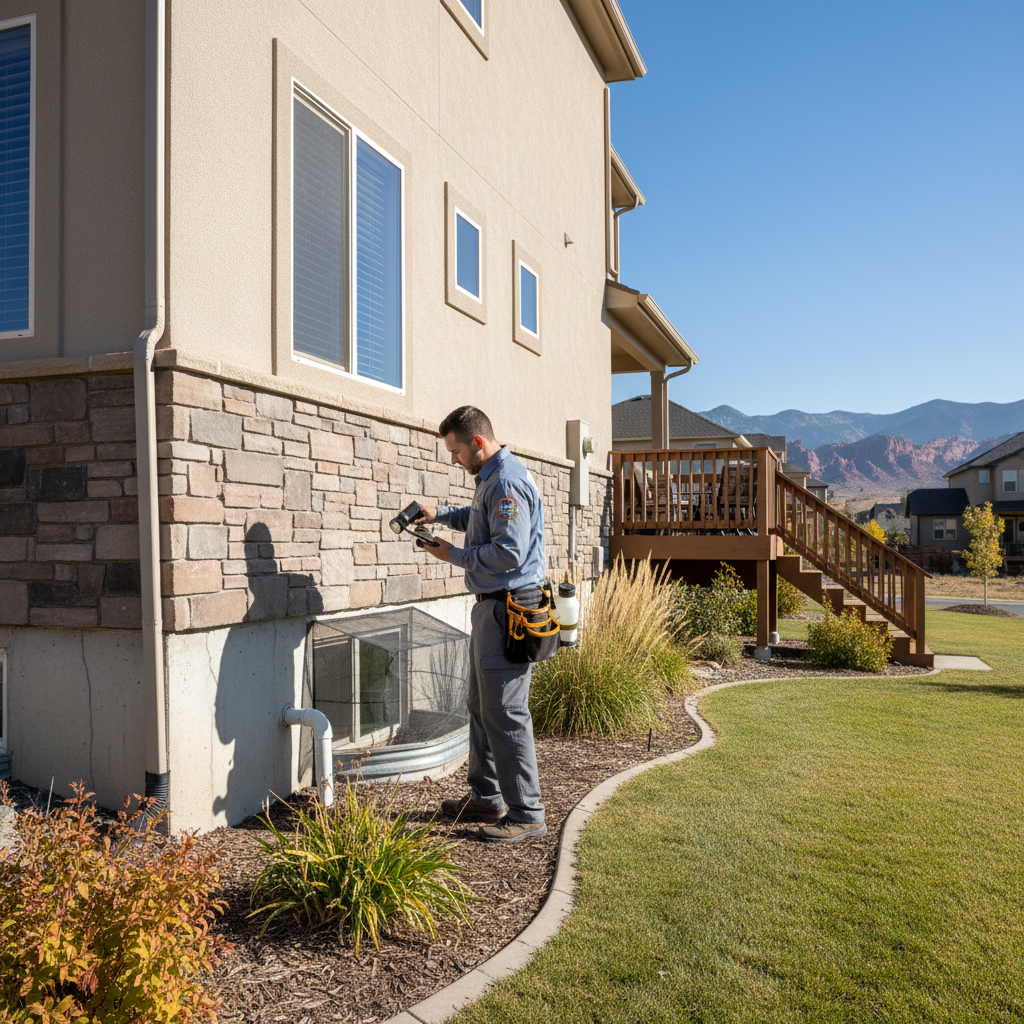
To keep your home from becoming an insect sanctuary, you must first address the physical breaches in your home's exterior. Insects do not need a wide open door to enter; a gap the thickness of a credit card is often enough for a spider or a colony of ants to move inside. Start your summer pest prevention tips by inspecting the transition points between the outdoors and your living space.
Pay close attention to the weather stripping around your doors and windows. Over time, the intense Utah sun can dry out rubber seals, making them brittle and prone to cracking. If you can see light shining through the edges of a closed door, pests see an invitation. Similarly, inspect your concrete foundation for hairline fractures. Carbon County experiences significant temperature swings between seasons, which leads to frequent expansion and contraction of building materials. These shifts often cause seals and masonry to fail faster here than in more moderate climates, creating new entry points every year.
Seal these small cracks with high quality silicone caulk or expandable foam. Focus heavily on where utility lines, such as electrical conduits, plumbing, or HVAC pipes, enter the building. These penetrations are notorious highways for rodents and roaches if they are not properly packed with durable material. Using a high grade sealant creates a barrier that can better withstand the high desert’s thermal stress. If you discover extensive damage or gaps in hard to reach areas, you can request a professional inspection to ensure every vulnerability is addressed. Fortifying your foundation is a fundamental step toward reliable residential pest control and long term protection.
Step 2: Eliminate Hidden Moisture and Water Sources
While sealing cracks stops physical entry, moisture is the magnet that draws pests toward those gaps in the first place. In our high desert climate, even the smallest amount of water is a precious resource for insects. Standing water is the primary breeding ground for mosquitoes and flies, yet many homeowners overlook local sources like leaking swamp cooler lines. Because many residents in Price and Helper rely on evaporative cooling, a dripping supply line or an overflowing pan can create a consistent water source that persists through the hottest months.
Water management also extends to your home’s drainage and landscaping. Clogged gutters can trap moisture against the roofline, while over-watered garden beds saturate the soil directly against your foundation. This creates a high humidity environment that attracts silverfish and centipedes. These pests do not require standing puddles; they thrive in the damp air often found in crawl spaces or poorly ventilated basements. Ensuring that splash blocks direct water at least three feet away from the foundation is a simple but effective tactic for reducing the moisture levels that invite these invaders.
Inside the home, focus on the hidden leaks. Inspect the areas under kitchen and bathroom sinks and behind appliances like dishwashers or refrigerators with ice makers. A slow drip from a loose fitting can sustain an entire colony of ants or roaches without ever being noticed by the homeowner. Consistently monitoring these areas is one of the most practical summer pest prevention tips you can implement. If moisture issues have already led to a persistent infestation, investing in reliable residential pest control will ensure that both the pests and the environmental factors attracting them are properly addressed for long term relief.
Step 3: Manage Your Yard and Landscaping for Long-Term Prevention

Managing moisture is essential, but your yard’s layout often determines how close pests get to your foundation in the first place. In Carbon County, xeriscaping and native plants are common, yet even hardy species like juniper or sagebrush can become problematic if they touch your siding. These plants act as natural bridges, allowing ants and spiders to bypass ground-level barriers and climb directly onto your walls or roof. You should maintain a clear buffer zone of at least two feet between any vegetation and your home’s exterior. This gap increases airflow, reduces shaded dampness, and makes it easier to spot pest activity before it moves indoors.
Overgrown grass and weeds provide the perfect microclimate for ticks and hunting spiders to thrive. Regular mowing and trimming along fence lines are key summer pest prevention tips for keeping these populations under control. Furthermore, evaluate any stored items in your yard. Woodpiles, leaf litter, and general debris are prime nesting sites for rodents and black widows, both of which are common across Price and Helper. Storing firewood on elevated racks at least twenty feet away from the house removes their preferred sanctuary. If your property has dense brush or heavy debris, you can request a professional inspection to identify hidden nesting sites. Keeping a tidy perimeter is a cornerstone of reliable residential pest control in our rugged high-desert environment.
Step 4: Clean and Secure Your Interior Food Sources
While yard maintenance creates a buffer, your kitchen often provides the caloric payoff that keeps pests coming back. In Carbon County, the odorous house ant is a frequent indoor intruder. These tiny scouts are highly attracted to sweets and leave invisible pheromone trails that lead the rest of the colony directly to a source. A single drop of spilled juice or a few grains of sugar behind a toaster can trigger a massive invasion in just a few hours.
Even a kitchen that looks clean can harbor hidden attractants. Pantry items like flour, sugar, and cereal are often kept in their original paper or thin plastic packaging, which pests can easily breach. To secure your food supply, transfer these items into airtight glass or hard plastic containers.
Follow this nightly checklist to minimize interior attractants:
Wipe down all countertops and stovetops to remove grease and food residue.
Sweep or vacuum kitchen floors to eliminate microscopic crumbs.
Store pet food in sealed, airtight bins rather than open bags.
Take out the trash daily and occasionally wash the inside of the bin.
Controlling these variables is among the most effective summer pest prevention tips for keeping your living space secure. If you continue to see activity despite these efforts, you may need reliable residential pest control to eliminate established colonies that are nesting within your walls. Professional intervention ensures that even the most persistent foragers are stopped at the source.
Step 5: Establish a Professional Inspection Routine
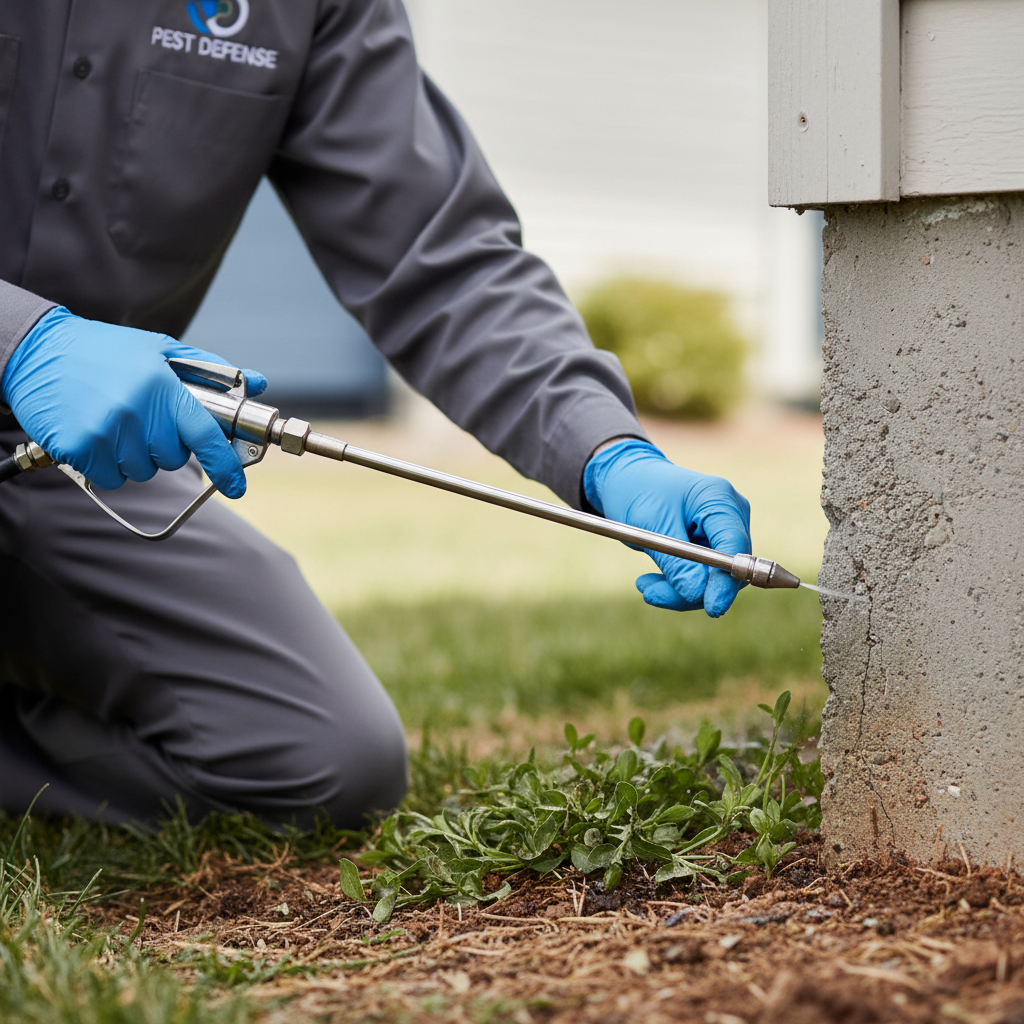
While cleaning and sealing are vital summer pest prevention tips, DIY products often fall short because they only treat the visible symptoms. Sprays from a hardware store might kill the ants on your counter, but they rarely reach the queen or the satellite nests hidden deep within your walls. A professional routine shifts the focus from reactive killing to comprehensive property management.
At Keith Pest Control, we utilize professional grade perimeter treatments that create a durable barrier around your home’s exterior. This is essential in the Carbon County climate, where intense UV exposure can break down standard retail products in just a few days. Our team focuses on safe, effective, and practical management solutions tailored to the specific behavior of high-desert pests. By establishing a consistent schedule, you ensure reliable residential pest control is working for you 24/7. You can request a professional inspection to evaluate your home and learn more about Keith Pest Control and our commitment to long term prevention and peace of mind.
Answering Common Summer Pest Questions: The 3 Cs and Beyond
Applying the "3 Cs" provides a clear framework for your summer pest prevention tips. First, Cleaning removes the food and water sources that attract invaders. Second, Closing involves sealing physical gaps in your home’s exterior. Third, Controlling utilizes professional barriers and monitoring to manage populations before they become an issue. This structured approach is far more effective than relying on myths or half-measures.
Local homeowners frequently ask which ants bite in Utah. The Western Harvester ant is common in Carbon County; it is known for its aggressive nature and painful sting. Carpenter ants can also deliver a sharp bite if their nests are disturbed. Additionally, while many people ask what smells bugs hate, such as peppermint, cedar, or lavender, these are merely temporary deterrents. Essential oils may mask a pheromone trail for a short time, but they will not stop an infestation or eliminate a queen. For a permanent solution, you can request a professional inspection to identify the specific pests on your property. Investing in reliable residential pest control ensures that your home is protected by science rather than scent.
Keeping your Carbon County home safe from pests this summer starts with these simple habits. By managing moisture and sealing entry points, you can significantly reduce the risk of an infestation. While these DIY steps are effective for regular maintenance, some situations require a more thorough approach. If you would like to learn more about our team and how we serve the local community, feel free to visit our About page. We are here to provide expert assistance whenever you need a professional hand.